The hip is one of the largest weight bearing joints in the body and is where the thigh bone meets the pelvis, forming a ball-and-socket joint. The hip is surrounded and supported by the gluteals, quadriceps, hamstrings, adductors, and the iliopsoas muscle, with major nerves and blood vessels running through it. If you are one of the many people who have experienced hip pain, then maybe it’s time to discover what Pilates can do for you.
Hip pain is usually located in the groin, upper thigh or buttock area, but may also be referred from the lumbar spine. There are many different types of hip pain which can be present for varying reasons:
- Arthritis – The hip is one of the most vulnerable joints in the body for developing arthritis and risk factors include being older, being female, being overweight, having a family history of arthritis, and previous hip trauma.
- Osteoarthritis of the hip – Osteoarthritis is the most common form of arthritis and occurs when the protective cartilage that cushions the ends of the bones wears down over time. The condition most commonly affects joints in your hands, knees, hips and spine.
- Hip fractures – As we age, our bones can become weak and more brittle which, in turn, can increase your risk of breaking a hip during a fall.
- Bursitis – This is when there is inflammation in the bursae (the sacs of liquid found between the tissues of the hip). This can happen when we do lots of activity and/or overwork or irritate the joint.
- Tendinitis – This is when there is swelling of the tissues (tendons) connecting muscle to the bone in the hip joint. Hip tendonitis is typically caused by repetitive stress (overuse) of the tendons, such as from running.
- Lower back problems
- Muscle strain – This can also occur due to overuse and is the most common cause of hip pain.
So how can Pilates help with hip issues and subsequent pain?
Our hip joint is a ball and socket joint with a large range of motion which allows for many different movements. This can be great for function but it can cause problems from an injury standpoint. The hip joint is where our lower body meets our torso, so there is naturally a lot of force transferred through the hip joint on a regular basis. In addition, the largest and most powerful muscles in the body cross the hip joint. Pilates can offer strengthening in that vast range of motion, working in multiple planes of motion and the springs on the reformer machine and cadillac table can provide resistance to work the hips in a safe way. Pilates exercises for the hips also include weight-bearing exercises.
Pilates can also be a great rehabilitation tool if you’re already injured, such as from an overuse injury, or you are coming back from a full hip replacement and looking to recover or want to reduce pain and rebuild strength.
A progressive and individualized Pilates program will focus on strengthening the pelvic floor, deep abdominal muscles, and glute muscles to create stability and optimal loading around the abdominal, pelvic and hip region. In addition, the smooth movements in Pilates will improve the range of movement in the hip joint and can help with pain relief while the increased awareness of joint alignment within movement promotes joint health. The increase in hip mobility and muscle length around the hip will promote a greater range of movement and prevent joint stiffness.
Please ensure you have been diagnosed by your Doctor or Medical Practitioner and signed off for exercise before embarking on a Pilates regime to ensure your safety and optimal recovery.
You Might Also Enjoy
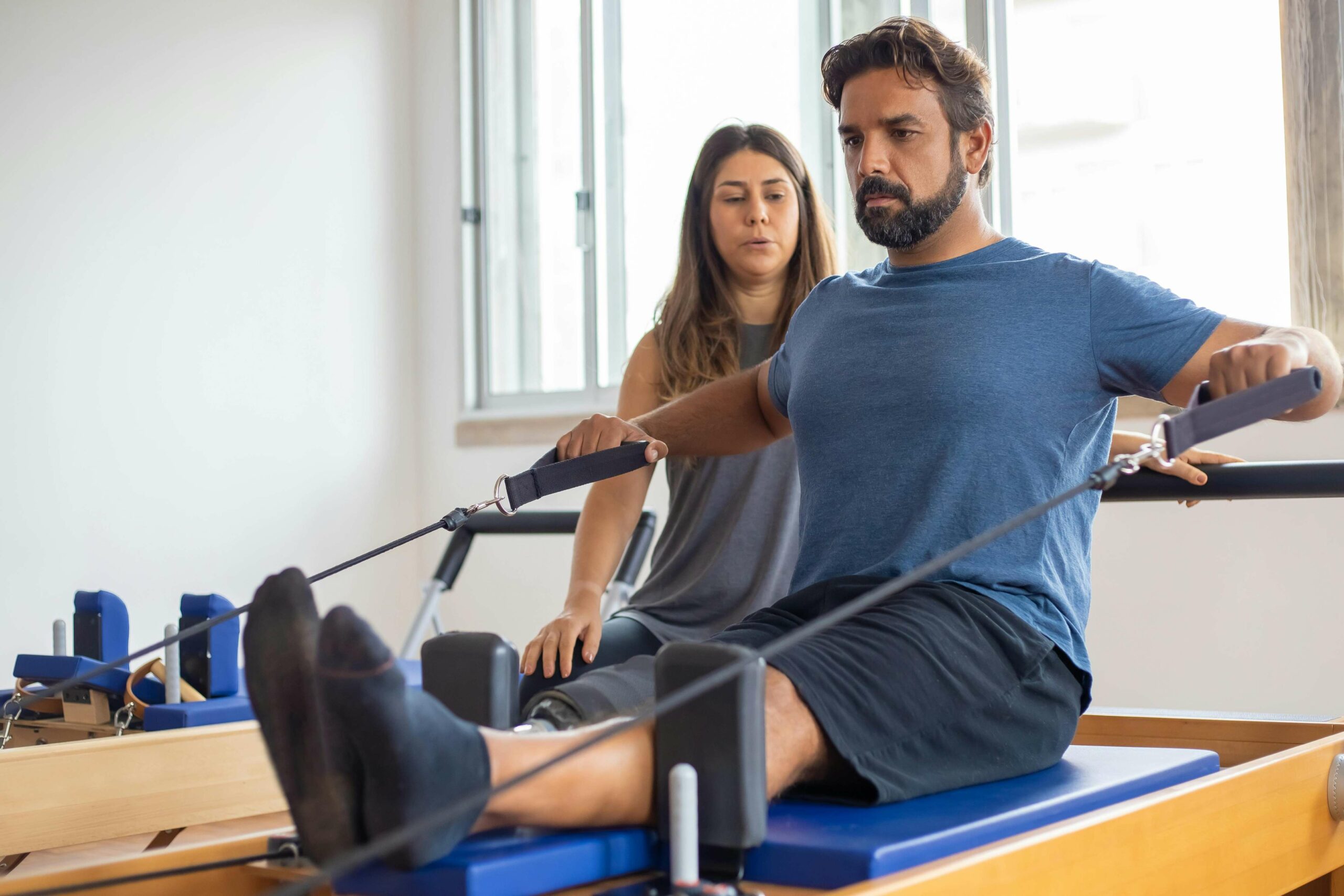
Pilates for Rehab
What is Osteoporosis and How Can Regular Pilates Help?
Pilates for Rehab
Will Pilates Help My Back Pain?
Pilates for Rehab
Ready to Try Pilates?
Book a trial session at one of our studios in Singapore, Hong Kong or Dubai and feel the difference for yourself.