In the past 10-15 years, Pilates has become a household name, popularized by celebrities, claiming Pilates as the reason for their flat stomachs, smaller waistlines and toned legs and arms. However, Pilates is so much more than the oversimplified marketing that promotes a “long and lean” figure that is just for women. Pilates is for everybody, regardless of gender, age, race, size, ability, or current fitness level.
The Pilates repertoire, which includes mat and equipment based exercises on specialized machines such as the reformer, is made up of over 600 exercises and variations. There really is something for everyone, whether you have a sedentary lifestyle, are a weekend warrior, are pregnant, are undergoing rehab, have joint or muscle dysfunction or degeneration, or if you’re a professional athlete.
Studies have shown that Pilates improves quality of life by having a positive effect on depression and pain, most notably decreasing back pain. Combining strength training with flexibility and mobility movements, Pilates is the ideal solution for overall health and fitness and is often recommended by doctors for general health, injury prevention, and rehabilitative purposes.
What is Pilates?
Originally called “Contrology,” Pilates is a method of whole body exercise designed to improve posture and body alignment, increase overall strength, flexibility and mobility levels, which in turn has a positive impact on daily activities and general wellbeing. Although there is an emphasis on core work, core strength alone is not the end goal. Rather, using that core strength to develop functional and sustainable movement patterns throughout the body is the goal. Pilates exercises coordinate movement and breath together to work the smaller, deeper stabilizing muscles and the larger, global muscles of the body.
Pilates exercises aim to align your entire body’s overall structure and supports its joints. What appears to look simple can be deceptively challenging and incredibly effective when done correctly with good form and technique. Additionally, Pilates is a low impact exercise method that creates optimal strength through muscle balance and fine-tuning neuromuscular patterns. This results in improved movement and breath in your daily activities and less pain.
Benefits of Pilates
- Pilates improves core strength and function which helps to support and stabilize the body. This improved core strength is a key factor in decreasing back and hip pain and pelvic floor dysfunction.
- Pilates improves posture and alignment by strengthening postural muscles (back and core muscles), creating muscular balance, promoting ideal range of motion at the joints and bringing awareness to correct body alignment.
- Pilates assists in decreasing, and possibly completely eliminating, back pain. By targeting the deep abdominal and pelvic floor muscles, Pilates exercises improve strength creating a brace-like support in the lower back which will protect and stabilize the back.
- Pilates helps to prevent injuries by re-balancing muscles in the body. Muscles that are too loose and weak or too tight and rigid can make the body more susceptible to injury. Pilates focuses on developing dynamic strength, which means you are better able to support and stabilize your joints while moving.
- Pilates enhances body awareness and proprioception by focusing attention inwards to assessing how your body feels when doing the movements. This practice will heighten your awareness of comfort or pain on a daily basis. With enhanced proprioception, the body is better able to respond to stimulus, which can prevent injuries and falls.
- Pilates improves flexibility and mobility. Flexibility is the amount of passive stretch in a muscle and mobility is the range of motion at a joint. Good mobility requires flexibility but also strength. Mobility is something you should strive for, while flexibility in and of itself isn’t functional. You need a balance of strength and flexibility to optimize mobility. Pilates exercises combine strengthening and lengthening movements to improve strength, flexibility and mobility.
- Pilates improves balance and gait through core strengthening, whole body exercises and alignment focus. Balance is important at any age and necessary for everyday activities involving coordination, like walking, or other movements, such as reaching up and twisting.
- Pilates strengthens bones. The current lifestyle of more sitting and less moving is detrimental to our health and our bone density. Strong bone density prevents osteoporosis and osteoarthritis and can affect people of any age. A regular Pilates routine can help to increase bone density levels and improve overall bone health.
- Pilates enhances sports performance. Whether you’re a professional athlete, regular tennis player or weekend golfer, Pilates can elevate your sport or activity. Pilates balances the body by strengthening muscles, mobilizing what’s rigid, and lengthening tight areas. This, in turn, enables you to react quicker and prevent injury. Research performed on athletes in multiple sports demonstrates improved speed, gains in muscle mass and trunk strength, a more stable core , and improve flexibility when kicking/ batting.
You Might Also Enjoy
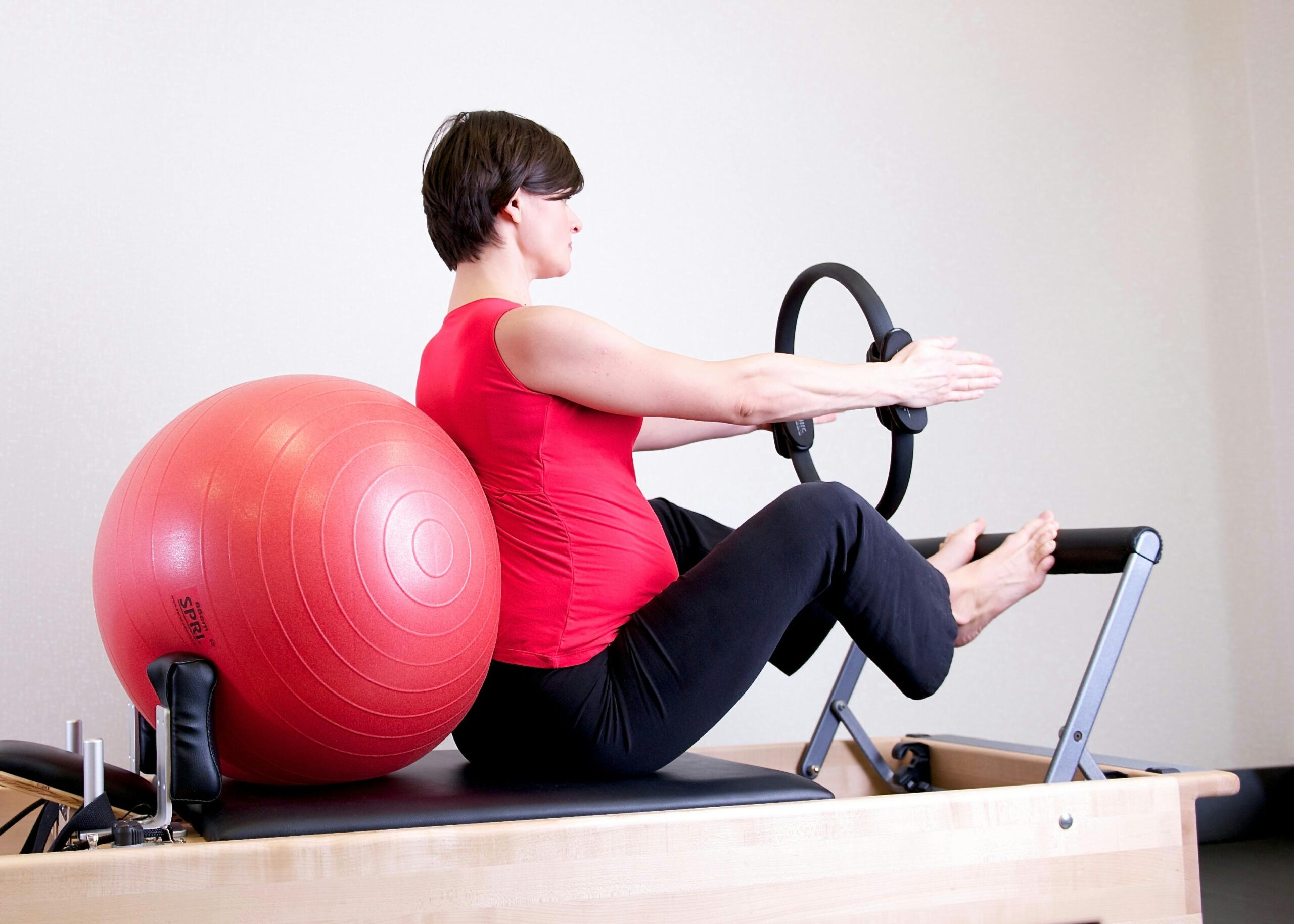
The Benefits of Pilates for Golfers
Pilates Basics
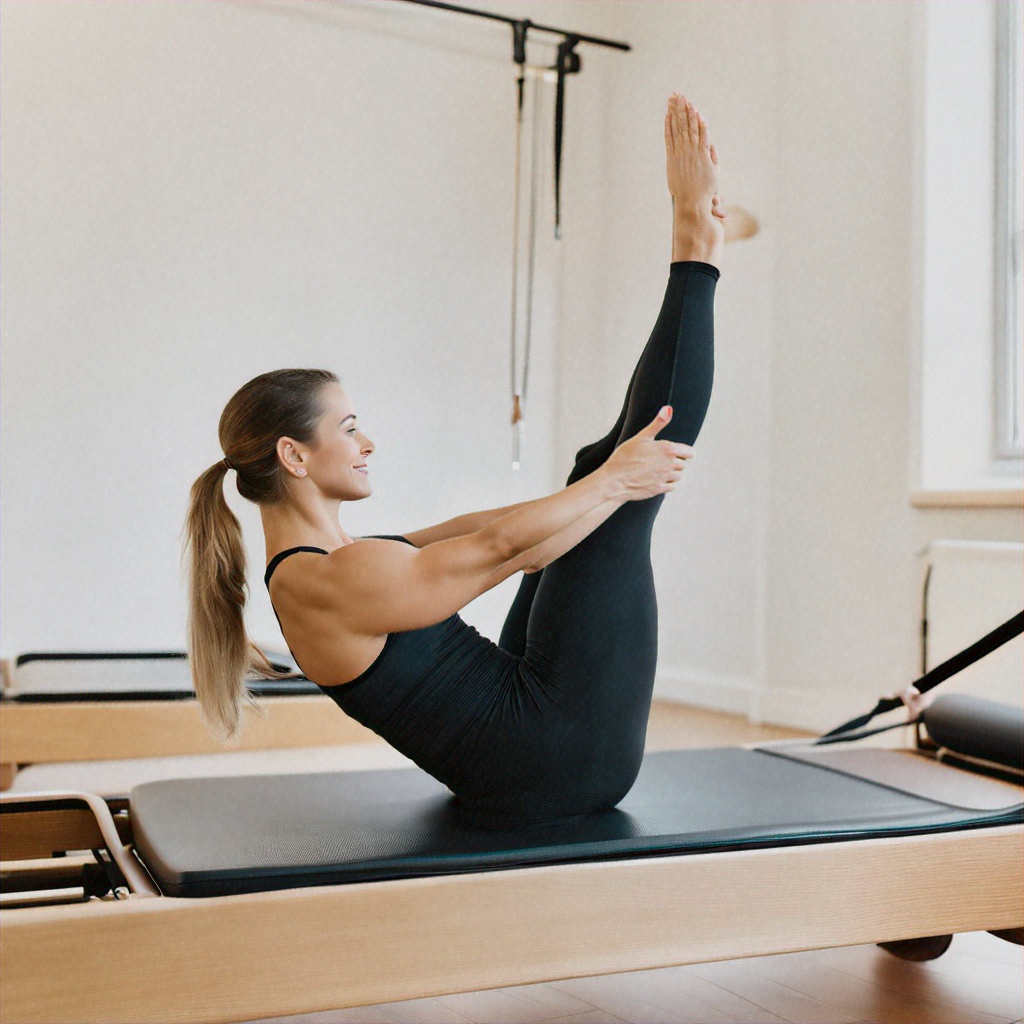
8 Reasons Why Men Should Do Pilates
Pilates Basics
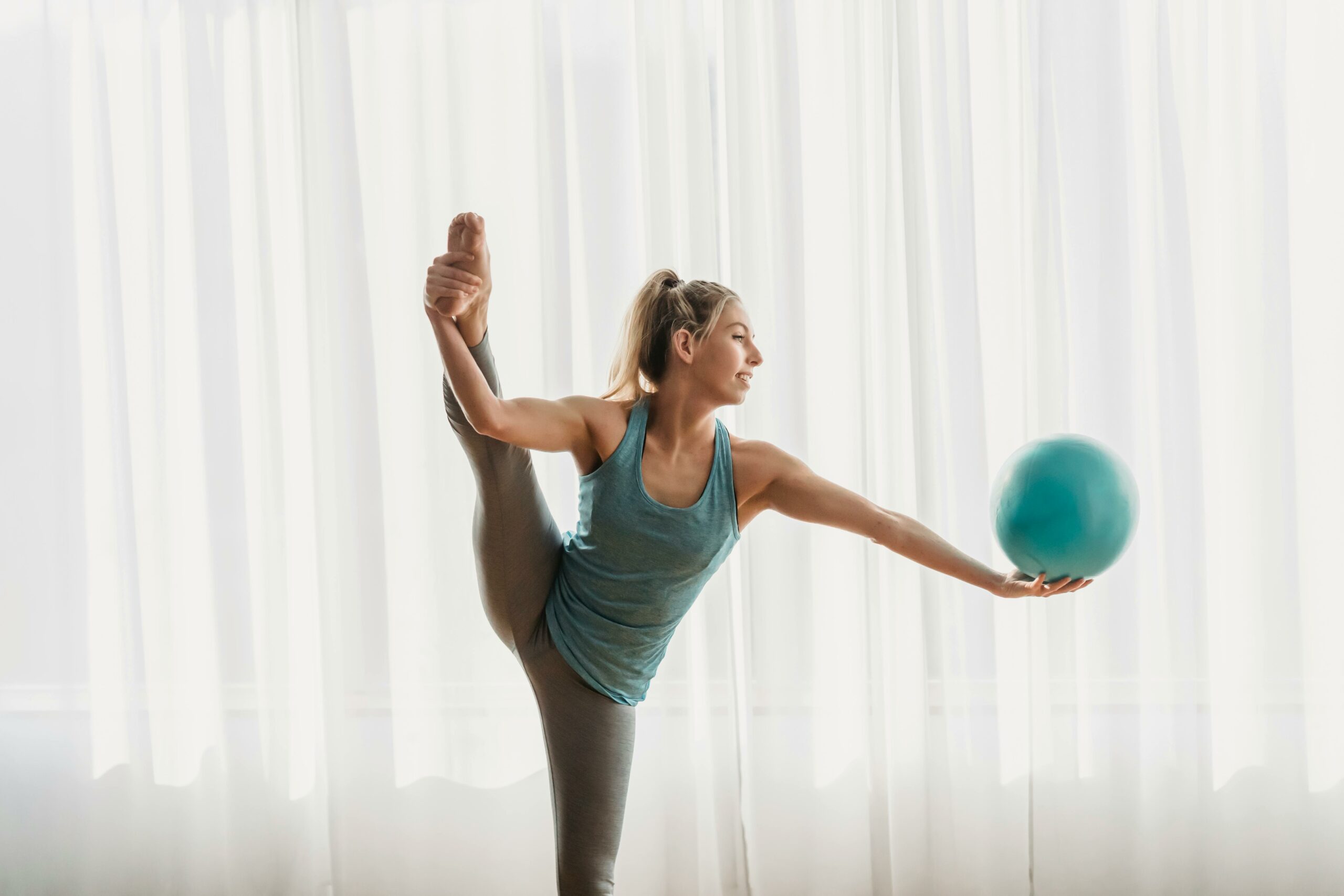
5 Pilates Benefits That Will Surprise You
Pilates Basics
Ready to Try Pilates?
Book a trial session at one of our studios in Singapore, Hong Kong or Dubai and feel the difference for yourself.